



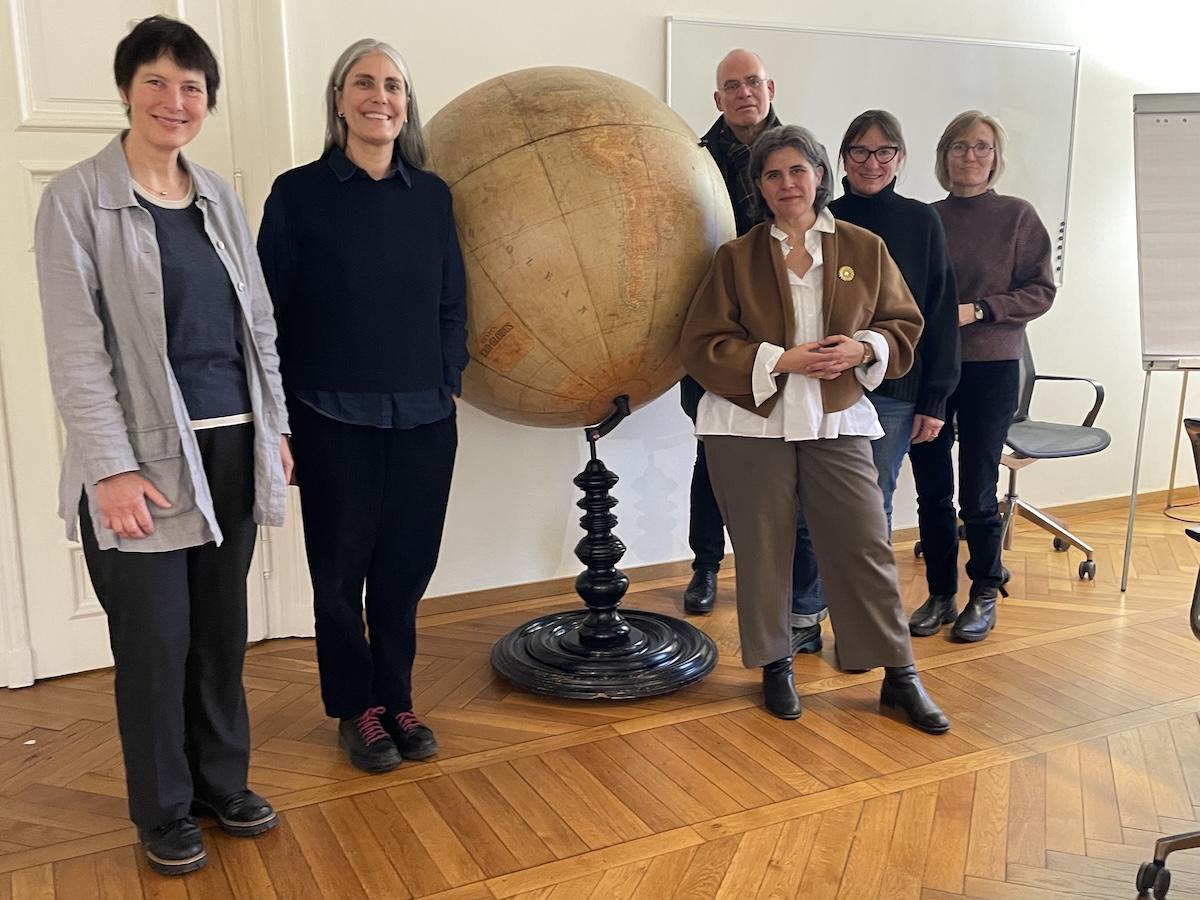
As part of the research project (Re)collecting Natural History in Europe, research curators Letícia Stallone and Sacramento Roselló conducted a study visit to the Weltmuseum Wien in February 2026. The visit was supported by the Statensfonden grant for curatorial research travel.
The project investigates how colonial-era collections in European museums are curated, researched, exhibited, and contextualized today. It also examines how institutions address questions of access, restitution, and relationships with source communities.
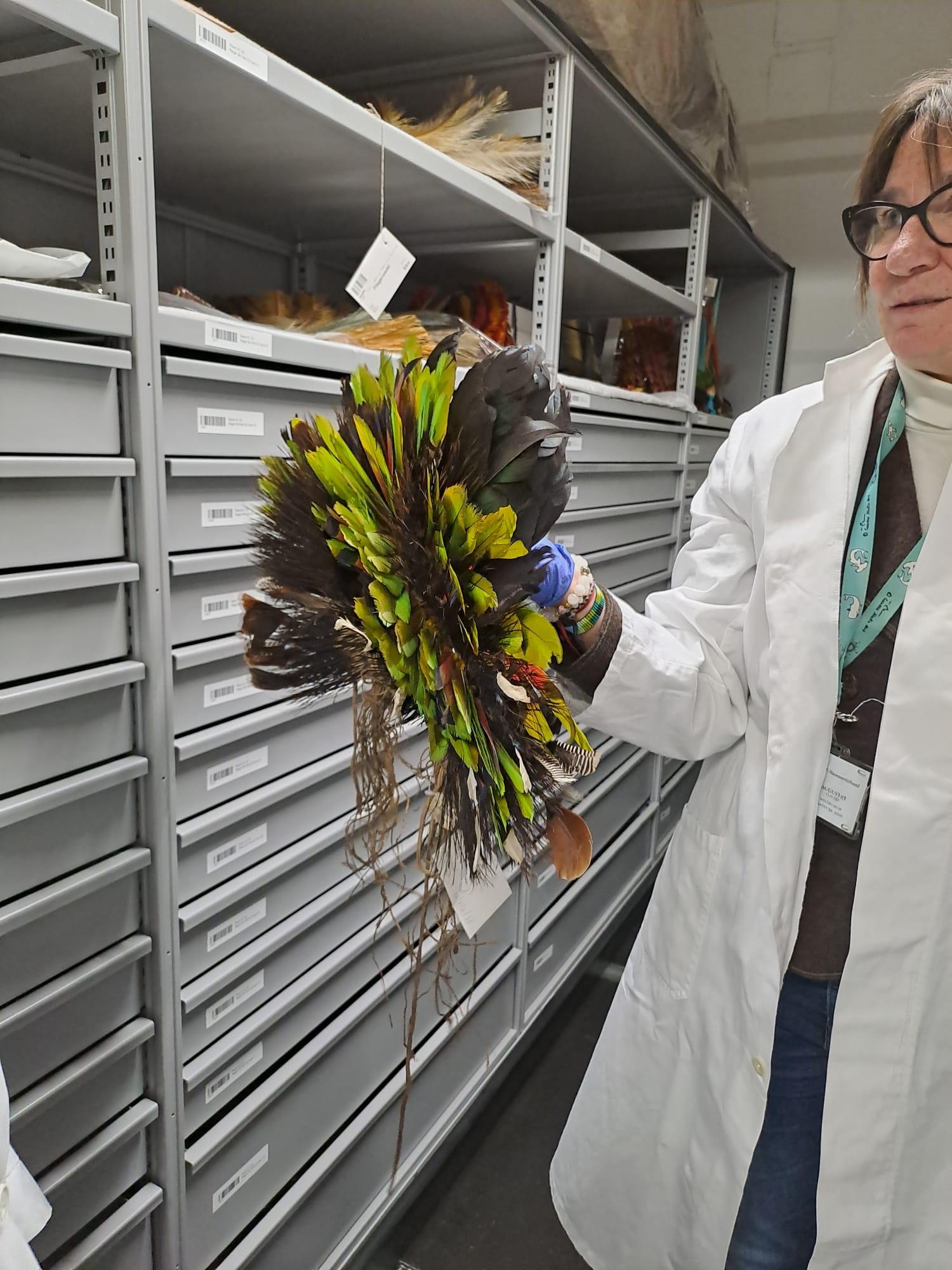
Hosted by Claudia Augustat, Curator of the South American Collection, the visit developed into a rich curatorial exchange involving extended conversations with researchers, meetings across departments, and introductions to other collection curators.
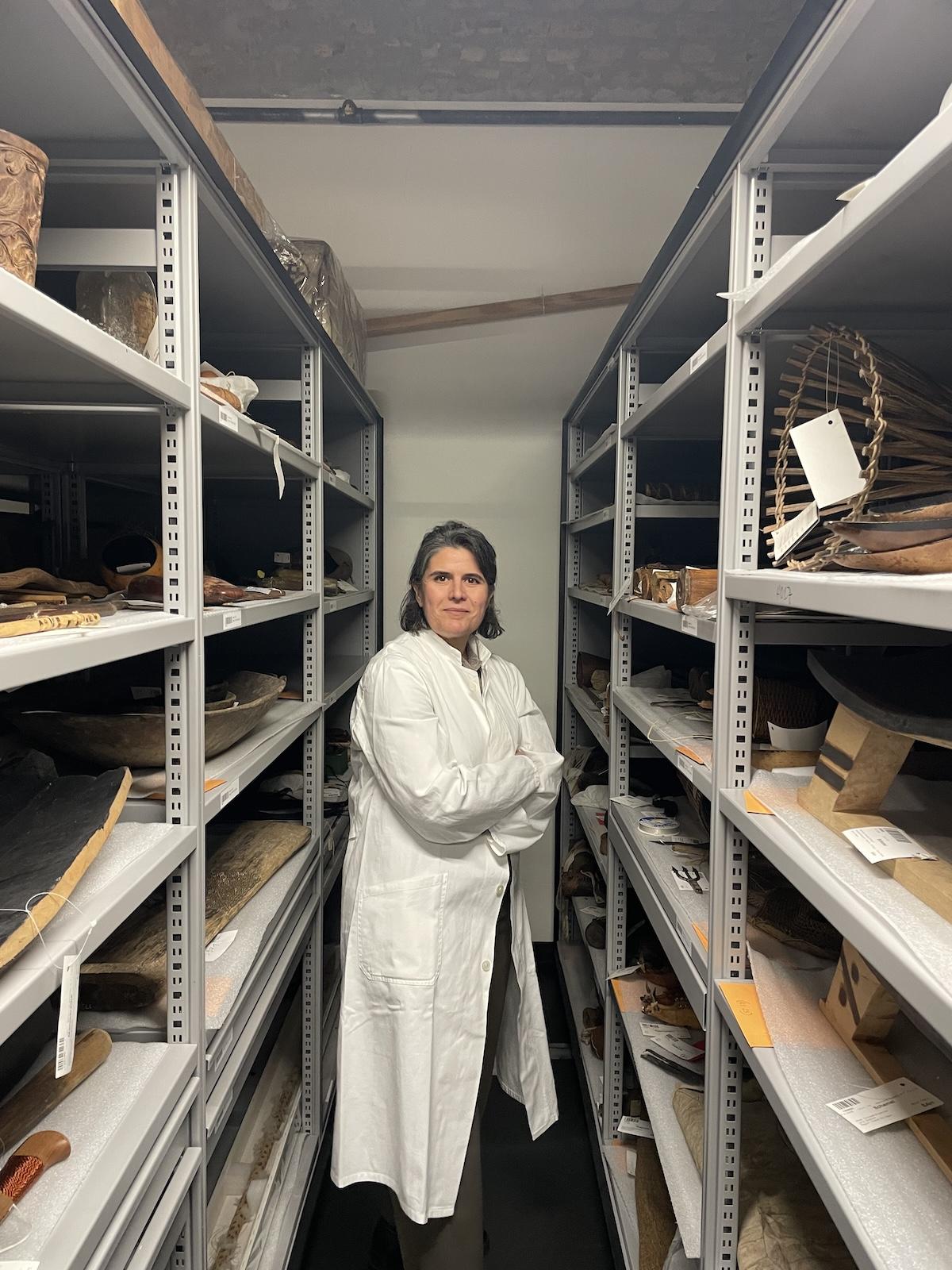
Institutional Exchange
The study visit moved beyond observation and opened space for dialogue about curatorial practice and institutional reflection.
Conversations focused on the responsibilities museums hold when caring for colonial collections, including how objects are preserved, interpreted, and made accessible. Particular attention was given to language, translation, and the ways museums engage with diasporic communities through cultural programming and collaborative initiatives.
These exchanges highlighted how museums are increasingly reconsidering their roles not only as spaces of display, but as platforms for dialogue with contemporary communities connected to the collections.
Collections, Ethics and Visibility
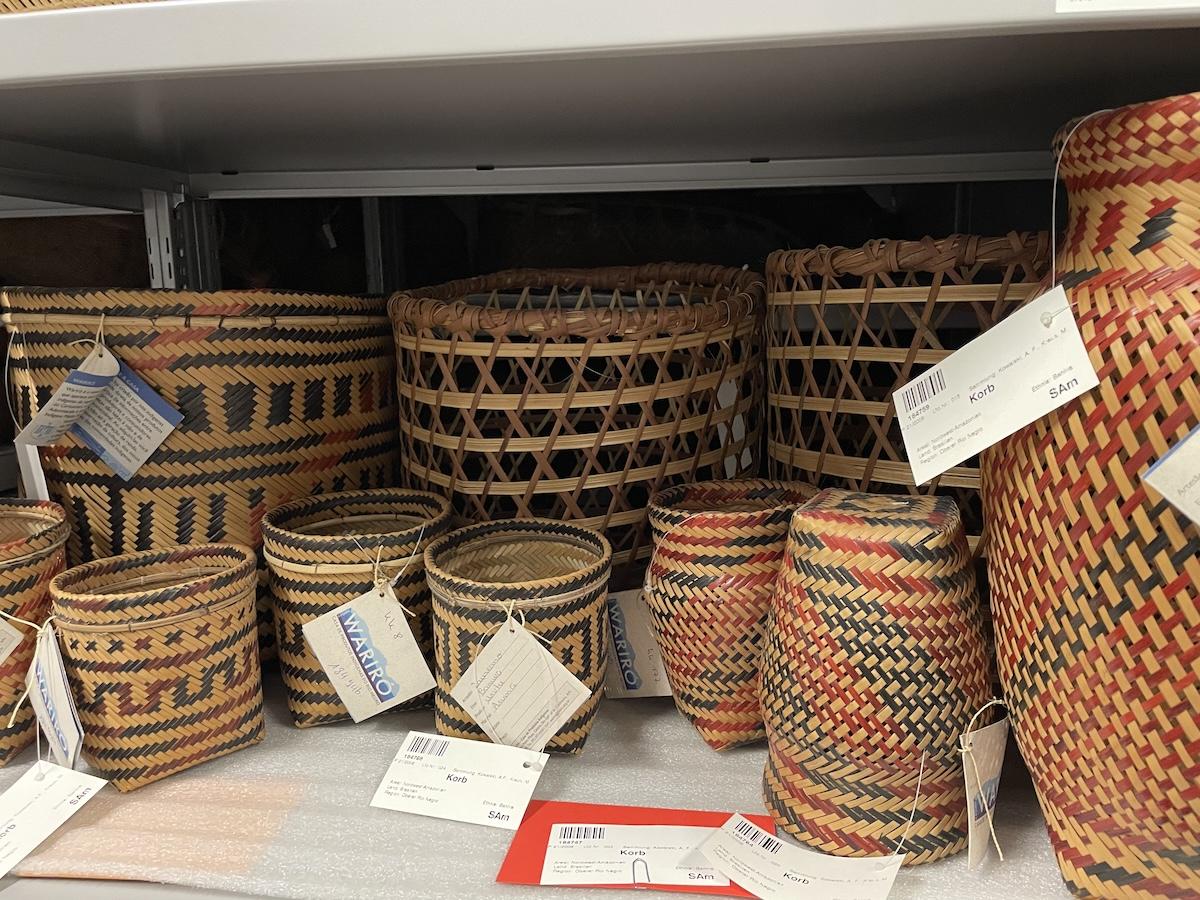
A recurring theme during the visit was the structural imbalance between the scale of museum collections and what is visible to the public. At Weltmuseum Wien, for example, only a small portion of the South American collection is currently exhibited.
Discussions also addressed ethical questions around display and restitution, particularly in relation to sacred objects and culturally sensitive materials. In some cases, museums are developing alternative strategies of mediation that acknowledge the presence of objects while respecting community protocols regarding visibility.
The visit also included a guided exploration of the Natural History Museum Vienna, where reflections on museum architecture revealed how nineteenth-century scientific and colonial classifications remain embedded in the institutional landscape.
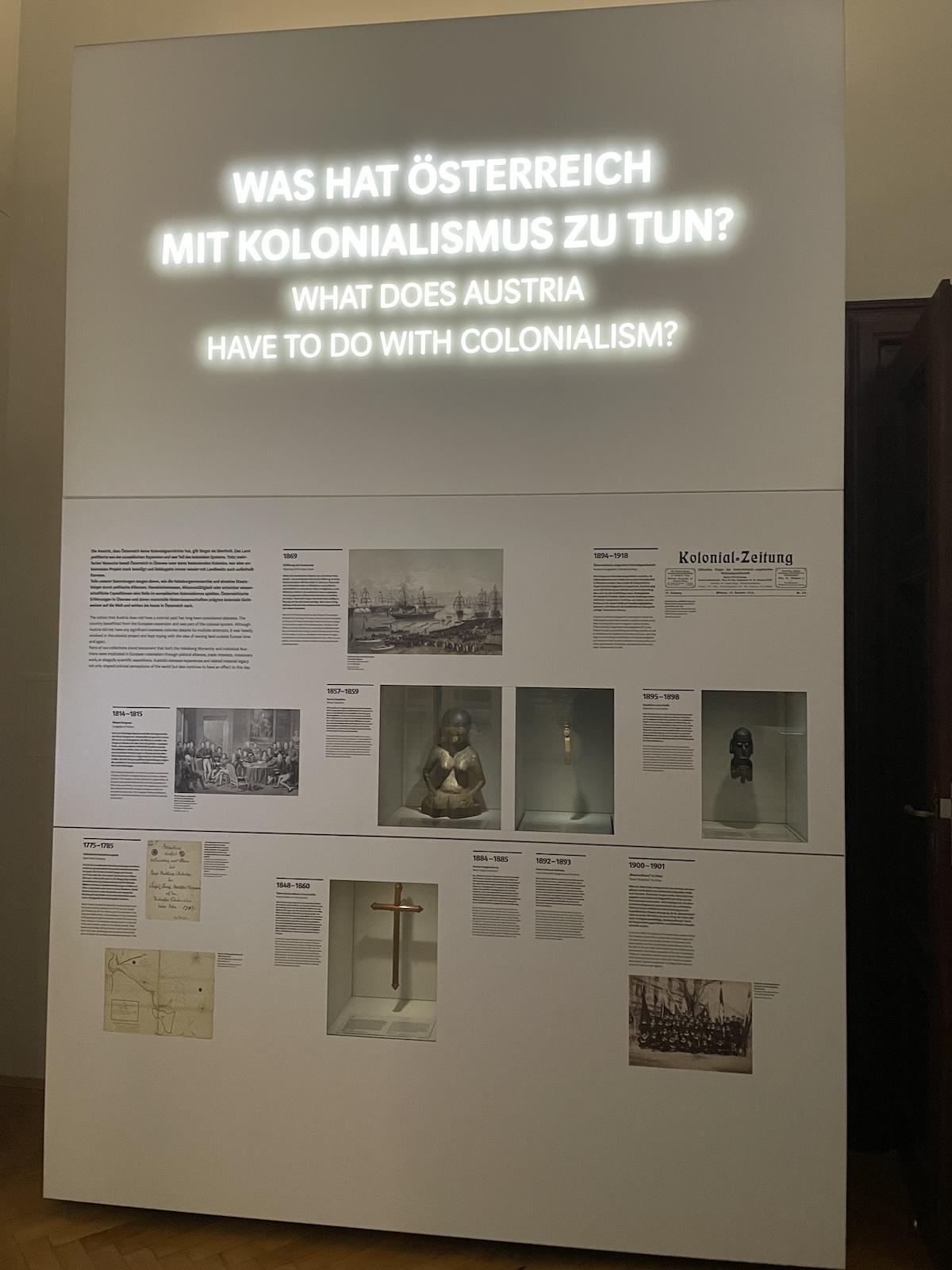
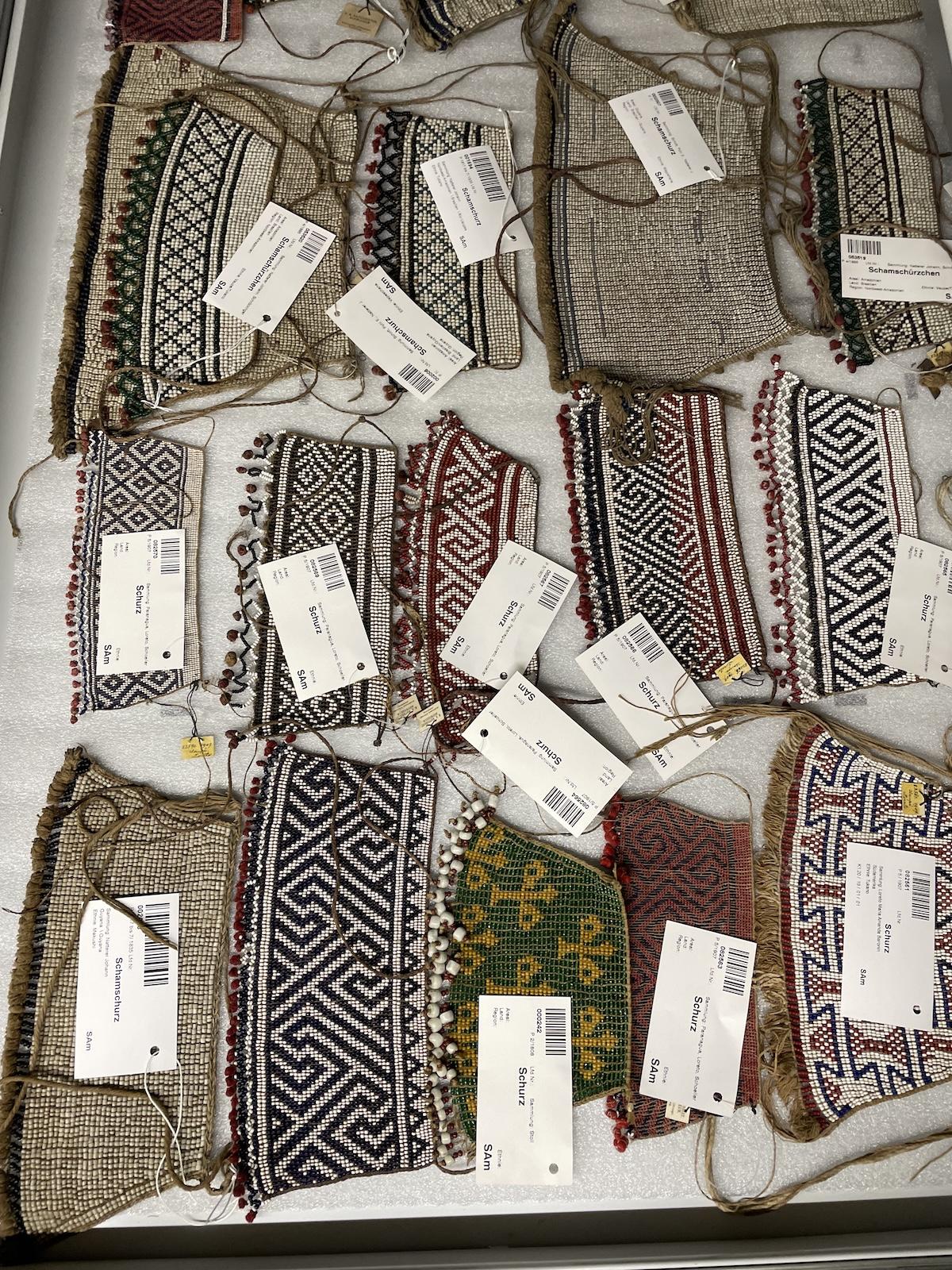
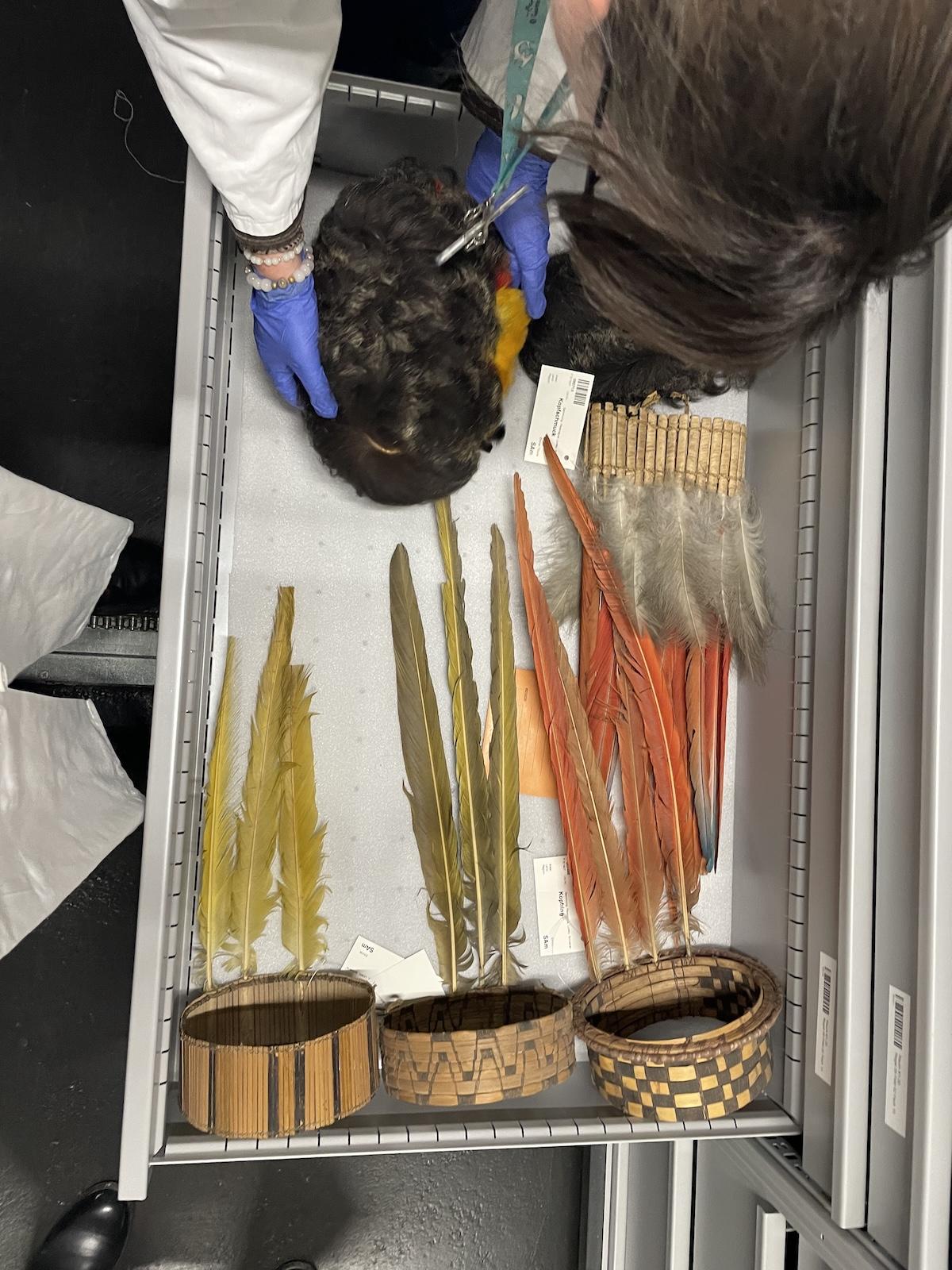
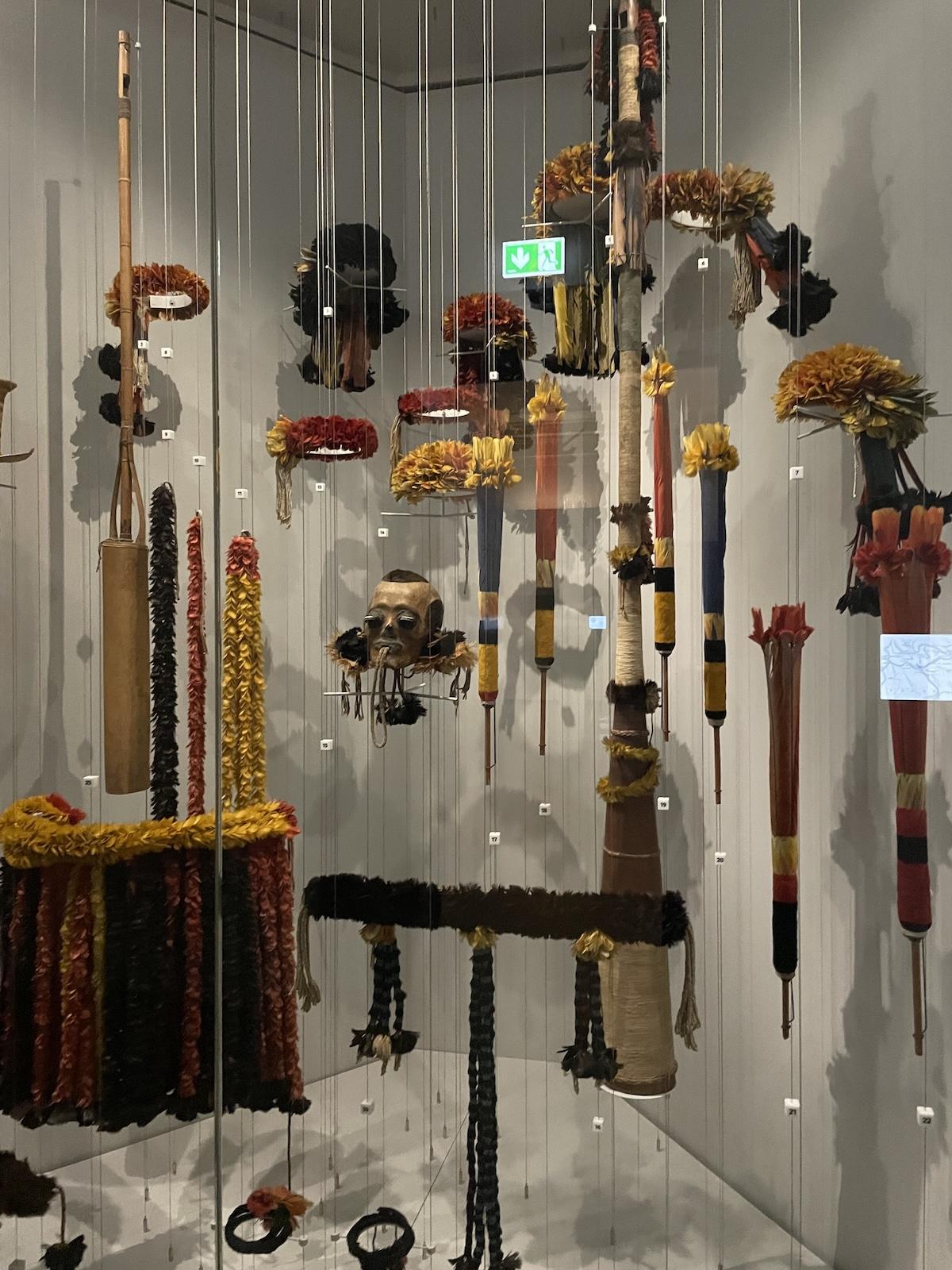
These encounters contribute to the ongoing research of (Re)collecting Natural History in Europe, which explores how museums are rethinking the care, interpretation, and future of historically entangled collections.